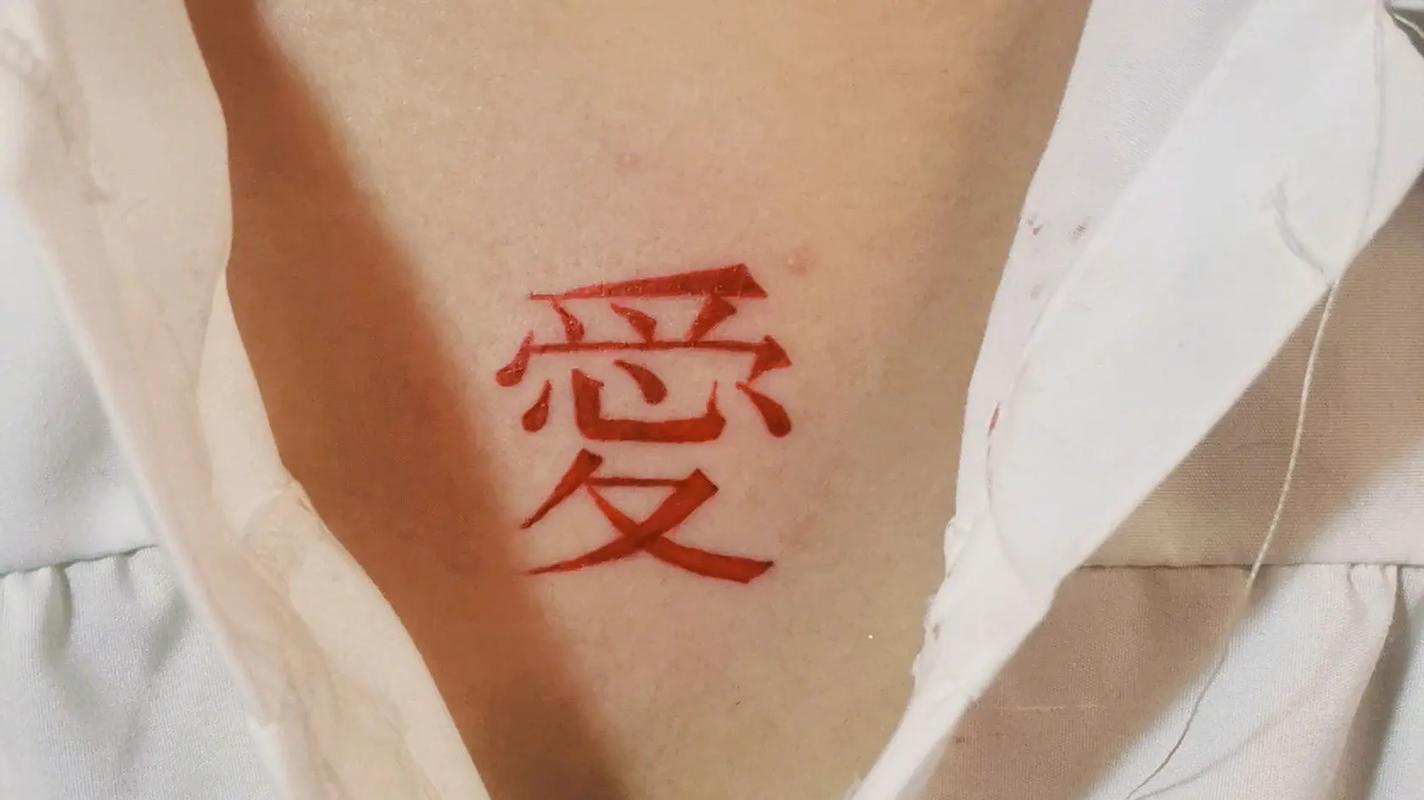
Chinese character tattoos (often referred to as Hanzi in Chinese or Kanji in Japanese) are timeless staples in the world of body art. From David Beckham to Justin Bieber, celebrities and ink enthusiasts alike are drawn to the aesthetic mystery of these logograms.
But for every beautiful piece of calligraphy, there is a horror story. We’ve all seen the viral images of “Chinese tattoo translation fails”—where someone thought they got “Loyalty” but actually tattooed “Noodle Soup” (汤面) on their neck.
If you are looking for meaningful Chinese tattoo ideas and want to ensure your ink is respectful and accurate, this is your ultimate guide.
The “Chicken Noodle Soup” Risk: Why Translations Fail
Why do so many Westerners end up with bad Chinese tattoos? The answer lies in the “Alphabet Fallacy.”
Many people mistakenly believe there is a direct 1-to-1 translation for every English word. But Chinese is a contextual language.
- Example: The English word “Free.”
- Do you mean “Freedom” (自由)?
- Or do you mean “Free of charge” (免费)?
- Get the wrong one, and you might label yourself as “Cheap/Zero Cost” instead of “Liberated.”
Pro Tip: Never use an automated generator or Google Translate for your tattoo design. The best way to avoid a tattoo fail is to consult a native speaker before you book your appointment.
Top 10 Meaningful Chinese Symbols for Tattoos
If you are looking for inspiration, here are the safest, most culturally recognized characters that carry positive energy.
Symbols for Strength and Resilience (Popular for Men)
These are high-demand keywords for a reason—they look bold and carry masculine energy.
- 力 (Lì) - Power / Strength
- Meaning: Physical strength, force, and capability. It is simple, geometric, and looks great on a wrist or behind the ear.
- 勇 (Yǒng) - Bravery / Courage
- Meaning: To be fearless. Historically associated with soldiers and warriors.
- 坚 (Jiān) - Persistence
- Meaning: Hard, solid, and unyielding. It represents mental toughness and the ability to withstand pressure.
Symbols for Love, Family, and Heart (Popular for Women)
These characters often feature softer strokes and deeper emotional resonance.
- 爱 (Ài) - Love
- Meaning: Universal love. In Traditional Chinese (愛), the center contains the character for “Heart” (心), symbolizing that love requires heart.
- 家 (Jiā) - Family / Home
- Meaning: More than just a house; it represents the people inside it. It symbolizes shelter, belonging, and your roots.
- 心 (Xīn) - Heart / Mind
- Meaning: In Chinese culture, the heart is also the center of thinking. This character represents both emotion and intellect.
Philosophical and Spiritual Concepts
- 道 (Dào) - The Way / Tao
- Meaning: The origin of the universe in Taoism. It symbolizes the path of life and natural order.
- 悟 (Wù) - Enlightenment
- Meaning: Often linked to Zen Buddhism. It means to awaken to the truth or realize one’s potential.
- 静 (Jìng) - Serenity / Inner Peace
- Meaning: To be calm, still, and quiet in a chaotic world.
- 梦 (Mèng) - Dream
- Meaning: Aspirations, dreams, and visions of the future.
Calligraphy vs. Computer Fonts: Don’t Look Like a Text Document
One of the biggest mistakes people make is bringing a standard computer font (like SimSun or Arial) to a tattoo artist.
Imagine tattooing an inspiring English quote in “Times New Roman” or “Comic Sans.” That is what a standard computer font looks like to a Chinese speaker—stiff, lifeless, and awkward.
For a truly authentic look, ask your artist for Chinese Calligraphy styles:
- Kaishu (Regular Script): Neat, legible, and standard. Good for beginners.
- Xingshu (Running Script): Flowing and artistic. The strokes connect, implying speed and grace.
- Caoshu (Cursive Script): Highly abstract and wild. It looks like abstract art but can be hard to read.
Final Verdict: Should You Get One?
A Chinese character tattoo can be a sophisticated, meaningful addition to your body art collection—if done right.
Your Checklist Before Inking:
- Identify the specific meaning you want (don’t just pick a shape).
- Verify the character with a real human being who speaks the language.
- Choose a style that fits your body placement (Calligraphy flow vs. Geometric block).
By respecting the language and the art form, you ensure your tattoo is a symbol of pride, not a future removal project.